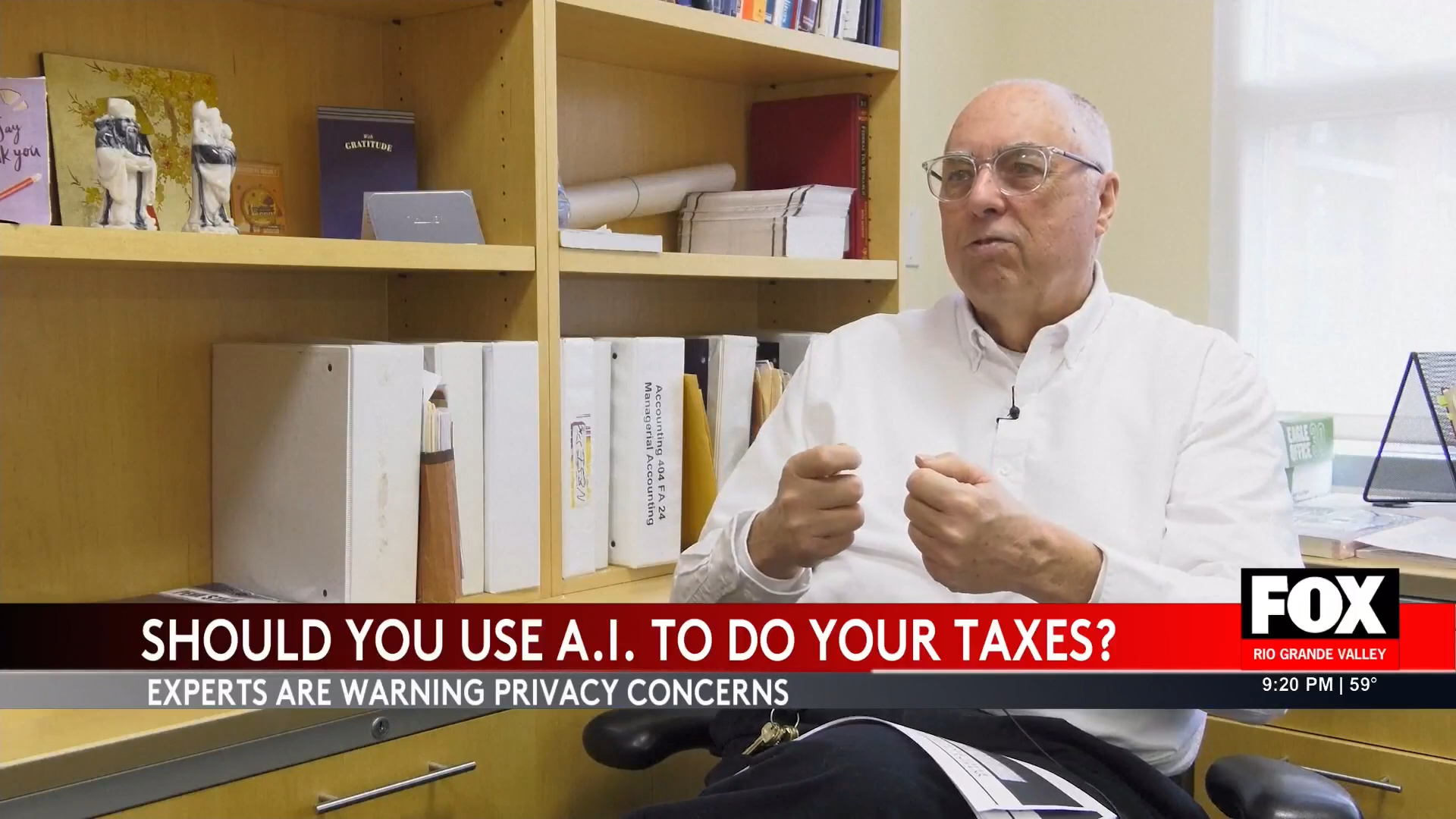
The AI Tax Season Warning: Navigating a New Era of Scams
Tax season is perennially a time of heightened vigilance against scams, but a new and formidable adversary has emerged: Artificial Intelligence. Authorities, including the IRS and consumer protection agencies, are issuing a stark ai tax season warning, highlighting the unprecedented sophistication that AI brings to fraudulent schemes. No longer are we just battling simple phishing emails riddled with grammatical errors; AI is enabling scammers to create hyper-realistic imitations of official communications, deepfake audio, and even convincing virtual personas designed to steal your sensitive financial information and identities. Understanding this evolving threat is the first step in protecting yourself and your assets during this critical period.
The speed at which AI technology is developing means that fraudulent tactics are advancing at an alarming rate. Where human scammers might be limited by time and resources, AI can generate thousands of tailored scam attempts, learning and adapting with each interaction. This article delves into the specifics of these AI-powered threats, what official warnings entail, and, most importantly, provides actionable strategies to fortify your defenses against this advanced wave of cybercrime. For a deeper dive into specific incidents and broader trends, be sure to read ai tax season warning - Article 2.
The Evolving Threat: How AI Supercharges Tax Scams
The traditional scam playbook has been dramatically upgraded with artificial intelligence. AI's ability to process vast amounts of data, generate human-like text and audio, and even create convincing visual content makes it an invaluable tool for fraudsters looking to exploit the urgency and stress often associated with tax deadlines. The result is a landscape where scams are not only more prolific but also far more persuasive.
- Deepfakes and Voice Mimicry: One of the most alarming applications of AI in scams is the creation of deepfake audio and video. Scammers can use AI to clone voices, mimicking tax professionals, government agents, or even family members, demanding immediate payment or threatening legal action. Imagine receiving a call that sounds exactly like your accountant, urging you to transfer funds to an unknown account to avoid a "sudden audit." The authenticity can be unnerving, making it incredibly difficult for victims to discern truth from deception.
- Hyper-Personalized Phishing and Smishing: Gone are the days of generic "Dear Sir/Madam" emails. AI can analyze publicly available information, or even data acquired from breaches, to craft highly personalized phishing emails (phishing) and SMS messages (smishing). These messages can include correct names, addresses, and even references to specific tax forms or situations. They appear legitimate, often mimicking official IRS or tax software communications with perfect grammar, appropriate jargon, and convincing branding. These AI-generated communications are designed to create a sense of trust and urgency, prompting victims to click malicious links, download infected attachments, or divulge sensitive credentials.
- AI-Driven Social Engineering: AI algorithms can be used to identify potential targets, analyze their online behavior, and predict their vulnerabilities. This allows scammers to tailor their social engineering tactics for maximum impact, crafting narratives that resonate with the individual's concerns or desires. Whether it's a fake refund notification that seems too good to be true or a dire warning about an impending audit, AI helps craft the perfect lure.
Official Warnings and What They Mean for You
In response to the escalating threat, tax authorities and consumer watchdogs worldwide have amplified their warnings regarding AI-enabled scams during tax season. These warnings are not merely advisory; they are critical guidelines designed to protect taxpayers from potentially devastating financial losses and identity theft.
- The IRS Stance: The IRS, in particular, has repeatedly emphasized that it will never initiate contact with taxpayers via email, text message, or social media to request personal or financial information. They will also never demand immediate payment using specific methods like gift cards, wire transfers, or cryptocurrency, nor will they threaten arrest or deportation for unpaid taxes. Any communication purporting to be from the IRS that deviates from these protocols is almost certainly a scam, regardless of how convincing it appears due to AI enhancement. Their warnings stress the importance of understanding their official communication methods.
- Broader Consumer Protection Advice: Beyond tax-specific scams, consumer protection agencies highlight general red flags for AI-driven fraud. These include requests for personal information, pressure to act immediately, unusually good offers, or urgent warnings of legal action. The key message is to always verify the authenticity of any unexpected communication, especially if it relates to financial matters or personal data. Remember, AI can generate sophisticated threats, but it cannot override your critical thinking and verification steps.
Your Shield Against AI Tax Fraud: Practical Protection Strategies
While the sophistication of AI-powered scams can be intimidating, a combination of awareness and proactive measures can significantly bolster your defenses. It’s crucial to adopt a multi-layered approach to security, recognizing that vigilance is your strongest tool.
- Verify, Verify, Verify:
- Official Channels Only: If you receive an unexpected email, call, or text claiming to be from the IRS, your bank, or your tax preparer, do not respond directly. Instead, independently look up the official contact information for that organization (e.g., the IRS website, your bank's official number) and contact them directly to verify the communication.
- Scrutinize Links and Attachments: Hover over links to see the actual URL before clicking. Be wary of any attachments in unsolicited emails. If in doubt, do not click or download.
- Question Urgency: Scammers thrive on urgency. Any communication demanding immediate action, especially involving money or sensitive data, should be treated with extreme skepticism.
- Bolster Your Digital Defenses:
- Multi-Factor Authentication (MFA): Enable MFA on all your financial accounts, email, and tax software. This adds an extra layer of security, making it harder for scammers to access your accounts even if they steal your password.
- Strong, Unique Passwords: Use complex, unique passwords for all your online accounts. Consider using a reputable password manager.
- Keep Software Updated: Ensure your operating system, web browser, and antivirus software are always up to date. Software updates often include critical security patches that protect against new vulnerabilities.
- Secure Wi-Fi: Avoid conducting sensitive financial transactions or accessing tax information over public or unsecured Wi-Fi networks.
- Stay Informed and Report Suspicious Activity:
- Monitor Your Accounts: Regularly check your bank statements, credit card activity, and credit reports for any suspicious activity.
- Educate Yourself: Keep abreast of the latest scam trends by checking official sources like the IRS website, Federal Trade Commission (FTC), and reputable cybersecurity news outlets.
- Report Scams: If you receive a suspicious communication, report it. Forward phishing emails to phishing@irs.gov. Report smishing texts to your phone provider by forwarding them to 7726 (SPAM). File a complaint with the FTC at reportfraud.ftc.gov. Reporting helps authorities track and combat these evolving threats.
Navigating the Digital Landscape: AI for Good and Bad
It's an interesting paradox that while AI is powering increasingly sophisticated scams, it's also a vital tool in the fight against them. Financial institutions and cybersecurity firms are leveraging AI and machine learning to detect fraudulent patterns, analyze anomalies in transactions, and improve identity verification processes. This creates a constant arms race where both sides are continuously evolving their AI capabilities.
For the average taxpayer, this means that while the threats are growing more advanced, so are the protective mechanisms. However, no technology is foolproof. The human element remains the most critical line of defense. Your awareness, skepticism, and adherence to security best practices are indispensable in protecting your financial well-being during tax season and beyond. The ai tax season warning should be a call to action, not a cause for panic.
The rise of AI-powered tax season scams presents a formidable challenge, demanding a new level of vigilance from all taxpayers. As authorities issue critical ai tax season warning alerts, it's imperative to understand the evolving tactics used by fraudsters and equip yourself with robust defense strategies. By staying informed, verifying all communications, strengthening your digital security, and knowing when and how to report suspicious activity, you can significantly reduce your risk of becoming a victim. Tax season will always be a magnet for scammers, but by being prepared for the AI-enhanced threats, you can ensure your financial information remains secure.